Fence & gate repair across San Diego
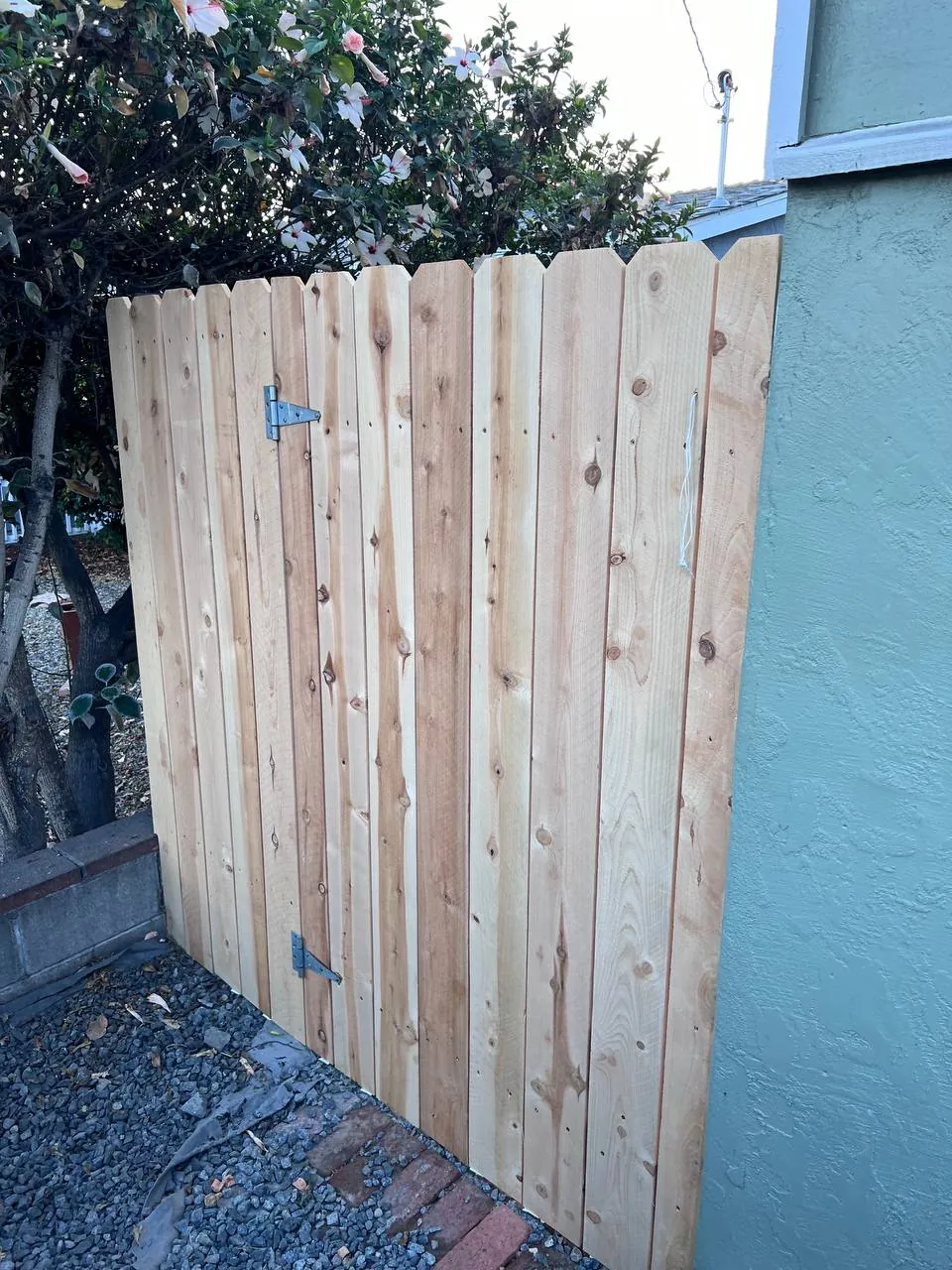
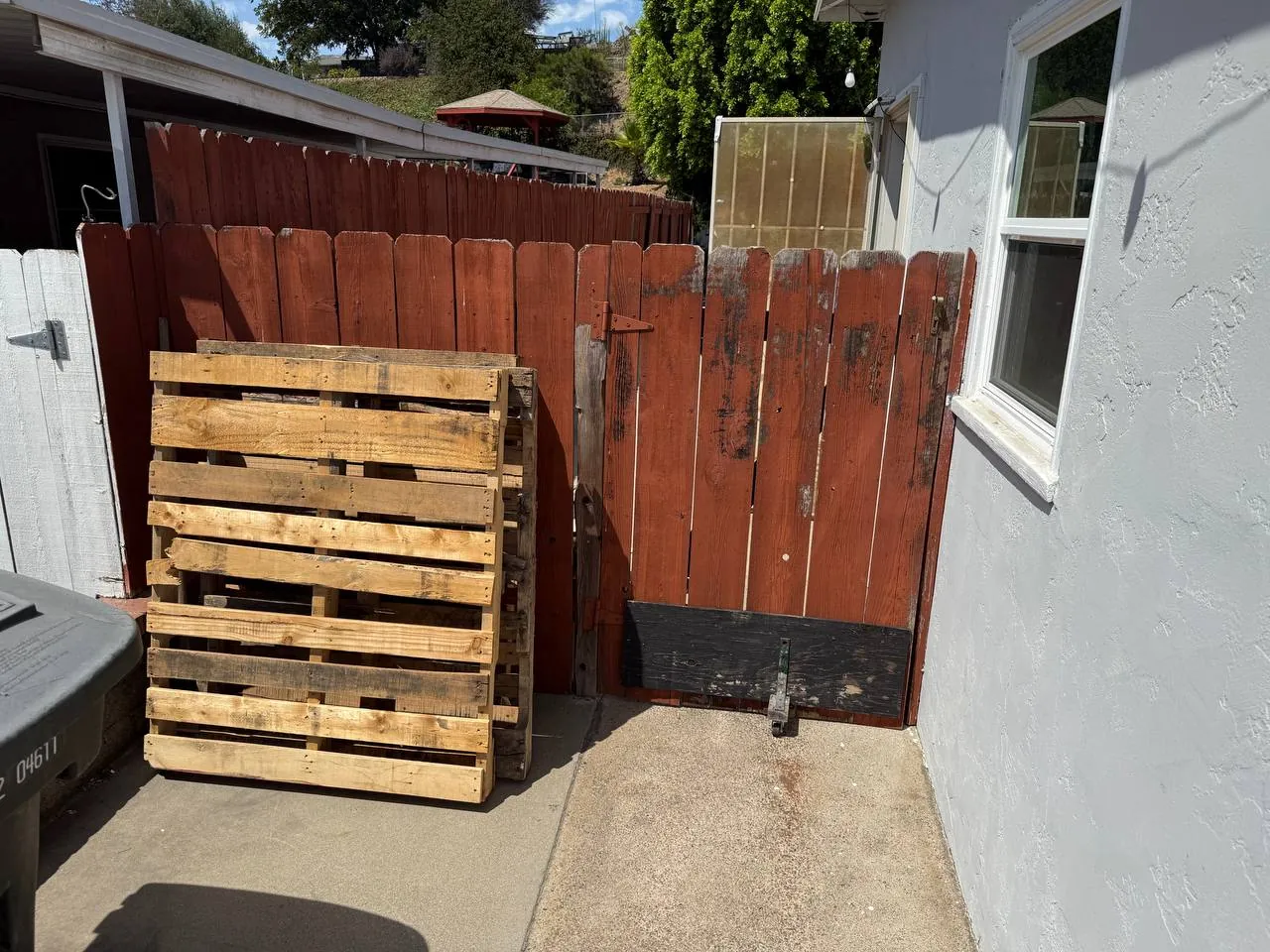
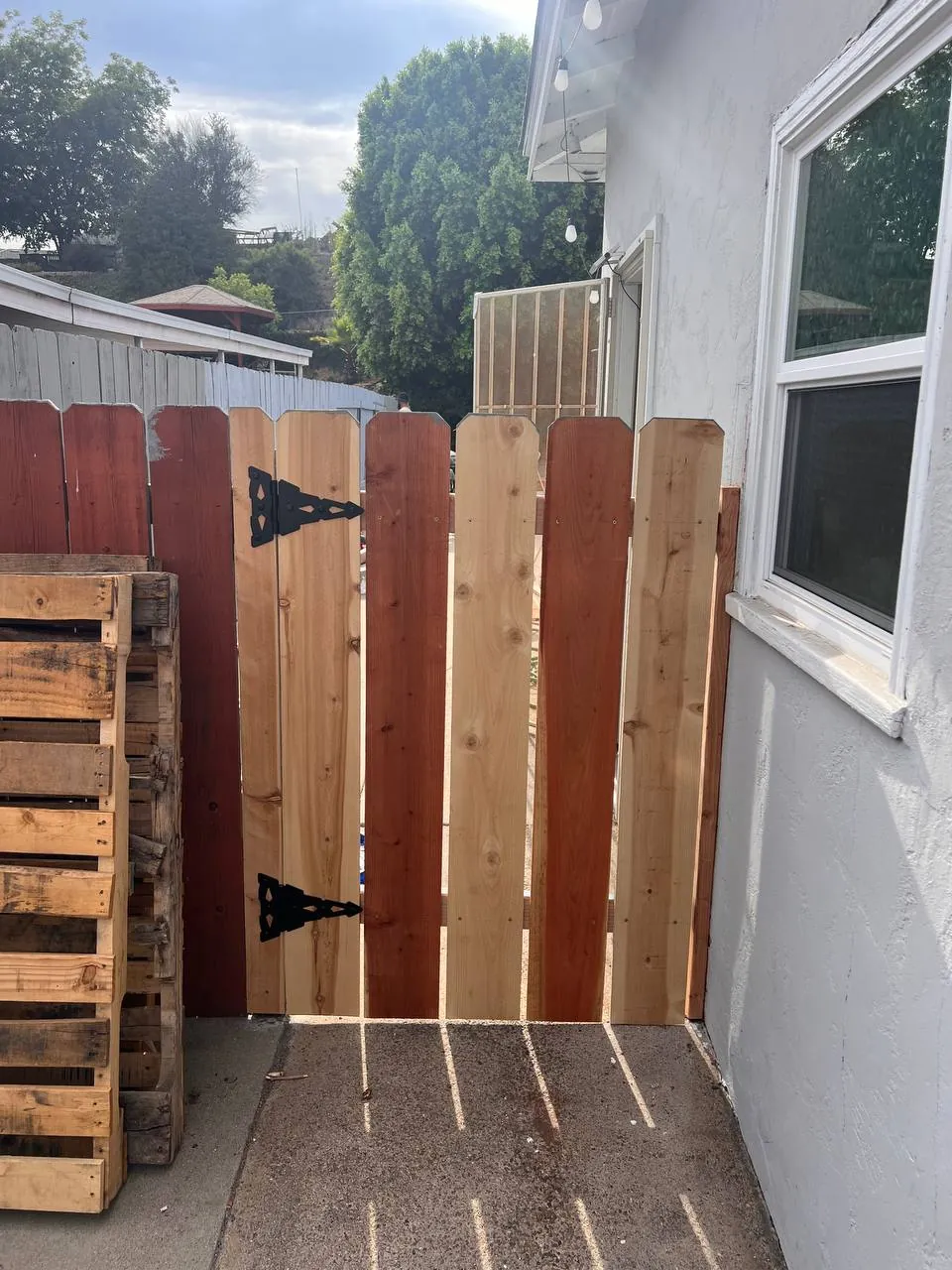
San Diego sun, marine air and the occasional wind storm are hard on fences. When a post starts leaning, a panel rots or snaps, or the gate sags so it scrapes the patio, Easy Break gets it solid again — without the cost of tearing the whole fence out. We reset or replace posts, swap damaged boards and panels, rebuild sagging gates and re‑hang them so they latch clean.
We work on wood (cedar, pine, redwood) and vinyl fences, plus chain‑link repairs. Need a short new run or a single replacement section to match the rest? We handle that too.
Fence & gate problems we fix
- Leaning or wobbly posts — reset in concrete or replaced
- Broken, rotten or warped boards/panels — swapped to match
- Sagging gates — squared, braced and re‑hung to latch properly
- Broken gate hardware — hinges, latches, drop rods, self‑close
- Storm & impact damage — sections rebuilt
- New short runs & replacement sections
Fence & gate pricing in San Diego
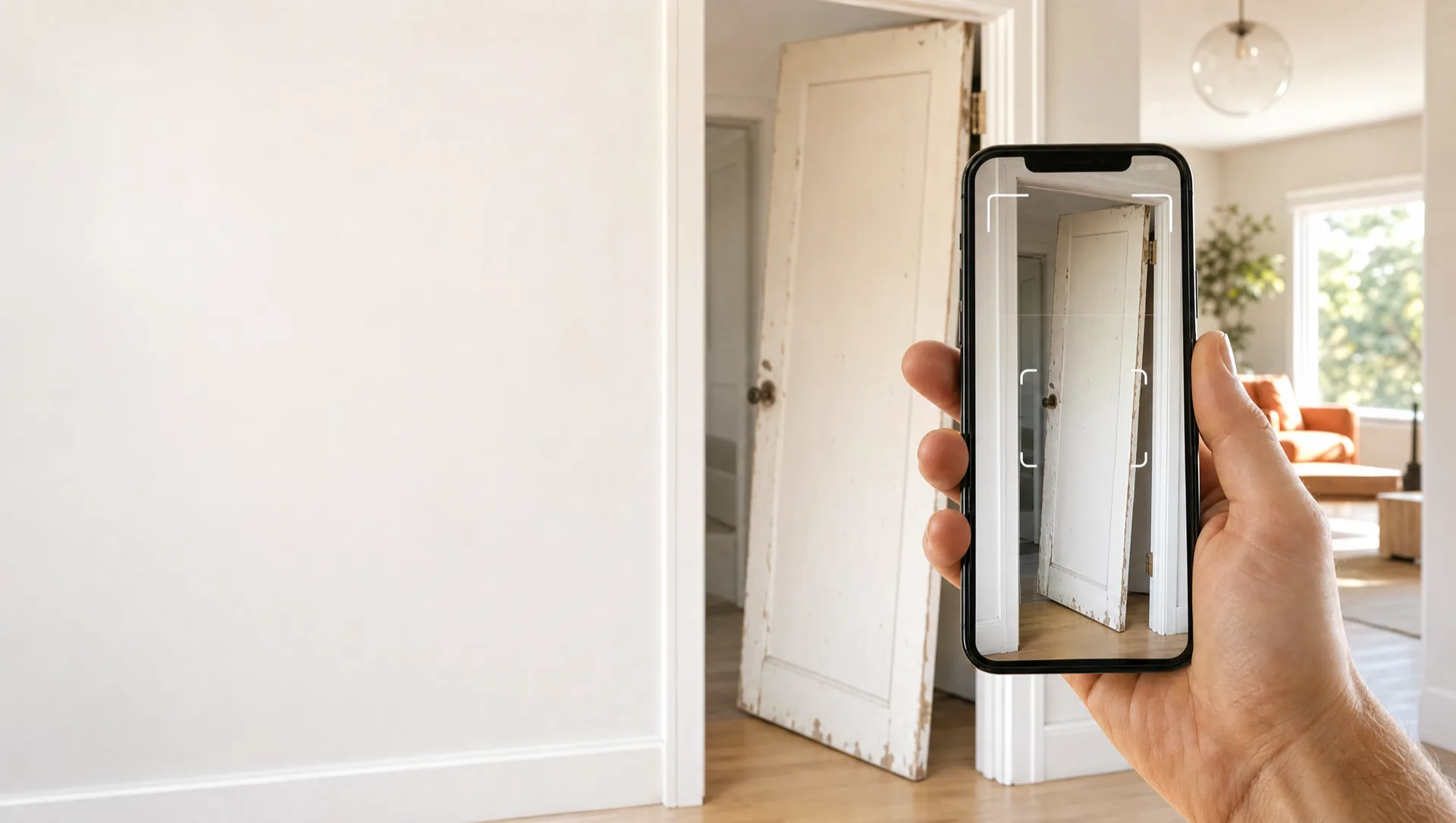
Fence work depends on materials and access, so we give a free, fixed estimate from your photos. Typical starting points:
| Service | What's involved | Price |
|---|---|---|
| Gate adjust / re‑hang | Square, brace, new hinges/latch | from $129 |
| Replace fence boards | Swap damaged pickets to match | from $149 |
| Reset / replace a post | Re‑set in concrete | from $189 per post |
| Replacement panel / section | Wood or vinyl, matched | free estimate |
| New short fence run | Posts, rails & boards | free estimate |
Fence or gate acting up?
Text a photo — we'll send a free, fixed estimate fast.
Repair vs. replace — we'll save you money where we can
A few rotten boards or a leaning post don't mean a new fence. We'll tell you honestly whether a targeted repair will hold for years or whether a section is too far gone — and quote both so you decide. No pressure to over‑build.
Why San Diego chooses Easy Break
- Free, fixed estimate from a photo — no vague guesses
- Wood, vinyl & chain‑link repairs
- Posts reset solid in concrete; gates that actually latch
- Honest repair‑vs‑replace advice
- Licensed, insured & 90‑day workmanship guarantee
Areas we serve
Fence & gate repair throughout San Diego County, including:
Fence & gate FAQ
How much does fence repair cost in San Diego?
Can you fix a gate that's sagging and won't close?
Do you repair vinyl fences as well as wood?
Can you replace just one section instead of the whole fence?
Do you install new fencing?
Materials & hardware we work with
Fence longevity is 80% material choice and 20% install. What we use, by category:
- Western Red Cedar (#2 grade common) — our default for privacy fences; naturally rot‑ and bug‑resistant, takes stain well, ages silver if left raw
- Construction Heart redwood (CHRT) — premium; tighter grain than #2, longer life, better look. Worth it on a fence you want to last 25+ years.
- Pressure‑treated Douglas Fir — for posts and ground‑contact framing only; never the visible boards (greenish tint and warping)
- Vinyl — CertainTeed Bufftech and Bayport, plus Outdoor Essentials from the box stores; no painting, no warping, fades to a chalky white at the coast
- Composite — Trex Seclusions and Veranda panels; expensive but truly maintenance‑free
- Chain‑link — galvanized or vinyl‑coated mesh in 9‑gauge and 11‑gauge; coastal jobs we spec vinyl‑coated to slow corrosion
- Steel post systems — Postmaster galvanized steel posts (sleeve a wood look around them) and Master‑Halco for chain‑link; these outlive wood posts by 3×
Post hardware: Simpson Strong‑Tie ABU and CBSQ post bases with the Z‑Max coating, post caps like the PB44, plus USP Lumber connectors where Simpson is out of stock. Gate hardware: D&D Technologies MagnaLatch for pool gates (more on that below), Locinox magnetic gate locks for premium swing gates, Lockey 2210 mechanical combo for utility gates, Sentinel self‑closing hinges, and Stanley / National Hardware T‑hinges for standard yard gates. Concrete: Quikrete 5000 for normal post sets and Quikrete Fast‑Setting 4‑in‑1 when we need to walk away in 20–40 minutes. Wood preservatives: Postsaver pre‑shrink sleeves around the below‑grade portion of posts, and TWP penetrating sealer for the visible wood.
Post failure decision tree
9 times out of 10, fence problems start at the post. Where it failed tells us the fix:
- Rotten at grade (most common) — wood meets concrete at the soil line, moisture wicks up, the post turns to mush in the worst spot you can't see. Fix: cut the post just below the rotten zone, set a Postmaster steel sleeve or splice in a new pressure‑treated section with a Postsaver sleeve, re‑concrete
- Snapped at top from impact or wind — sleeve repair with a Sienna or steel post‑repair bracket bolted through both pieces; cheaper than a full pull
- Whole post leaning — dig out, deepen the hole if it was too shallow (most leaners are because the original installer went 18" instead of 30"), reset with fresh Quikrete 5000, brace plumb for 24 hours
- Post still solid but the boards are gone — leave the post, replace rails and pickets only; saves a few hundred dollars per post
Footing depth & post setting for SD soil
The general rule is one‑third of the post height in the ground, never less than 24" for a 6' fence. We go 30" for an 8' fence and any windy hillside site (Mount Helix, Mount Soledad, anywhere the marine layer punches through). At the bottom of the hole: 4–6" of gravel for drainage before the concrete goes in. One 50‑lb bag of Quikrete 5000 per standard 4×4 post in a 10" hole; two bags if the hole's wider or the post is 6×6. Crown the concrete above grade so water sheds away from the post, not into it.
Gate sag — fix it in order
A gate that drags on the patio or won't latch is usually fixable without rebuilding it. We work in this order, stopping when it's right:
- Re‑tighten the existing hinge screws; replace short screws with 3" wood screws into the post
- Add an anti‑sag turnbuckle brace — Stanley sag‑no‑mor 36" cable‑and‑turnbuckle kit runs corner to corner across the gate frame; tighten until the gate squares up
- Shim the hinge side with a thin metal shim to pull the latch edge up
- Replace hinges with heavier T‑straps (12" minimum) — most original hinges are too small for a heavy privacy gate
- Reset the hinge post deeper — if the post itself is moving when the gate swings, no hardware fix will hold
California pool code — the MagnaLatch standard
If your gate encloses a pool, California Building Code Section 3109 plus the local SD pool ordinances apply. The non‑negotiable rules:
- Gate must be self‑closing and self‑latching
- Latch must be 60" minimum from the ground, OR if pool‑side activation is allowed (some jurisdictions), the latch is 54" minimum on the inside with a guard ring preventing reach‑through
- No openings in the gate or fence larger than 4" diameter (anywhere a 4" sphere can pass)
- Gate must swing away from the pool
We install the D&D Technologies MagnaLatch Top Pull as the standard — magnetic, vertically pull‑to‑release, the only mainstream latch most SD pool inspectors approve without question. Paired with D&D TruClose self‑closing hinges that snap the gate shut even from a few degrees open.
Materials by exposure — coast vs inland vs pool
- Coastal (within 1 mile of the ocean) — PB, OB, Coronado, Imperial Beach, La Jolla, Cardiff: stainless 305 or 316 hardware (zinc rusts in 6 months here), redwood or composite (pine fails fast in salt air), avoid galvanized chain‑link without vinyl coating
- Inland (Escondido, Poway, Santee, El Cajon, Lakeside) — cedar or redwood with TWP penetrating sealer applied every 2 years; pressure‑treated Douglas Fir posts; standard galvanized hardware fine
- Pool fences — vinyl or coated steel; no rusting hardware around chlorinated water; MagnaLatch + TruClose; no pickets the dog can grab and pull
Chain‑link details that get missed
Most chain‑link fences in SD were installed quickly and look it. Things we tighten up on repairs:
- Top rail tension — a sagging top rail makes the whole fabric wave; we replace bent rail or sleeve it
- Fabric ties — aluminum twist‑ties every 24" on the rail, every 12" on the line posts; loose fabric snags clothes and sags
- Post caps — eye‑top for any post the top rail passes through, pressed‑dome only for terminal posts. Half the chain‑link out there has the wrong cap.
- Gate frames — welded corners last; assembled corners (the kind with little plug joints) loosen and the gate goes out of square within a couple years
Edge cases worth knowing
- Fence atop a retaining wall — you can't sit a fence post on top of a CMU retaining wall block; pullout failure in the first wind event. We dig a separate footing behind the wall or use a Postmaster steel post bolted to the wall's footing
- Shared HOA / neighbor fences — we photo‑document before, during and after, and itemize the bill so cost‑sharing is clean
- HOA‑required colors — many SD HOAs spec Olympic Maximum or Behr Premium Plus Solid Stain in specific shades; we use what the HOA letter says
- Sloped runs — stepped (each panel level, posts at different heights) vs racked (panels follow the slope). Privacy fences should step; ranch rail can rack.
What we don't do
We don't call 811 for you — California law requires the homeowner or contractor to mark underground utilities before any digging deeper than 16", and we won't auger post holes without a fresh USA‑North locate ticket (it's free; call 811 a couple days before). We don't fabricate welded steel gates from scratch — we install ones you've had welded, but the welding is a separate trade. We don't build fences over 6' tall at the property line without a permit (City of San Diego requires a building permit for fences over 6' at the PL, with different limits for accessory areas); if you want 8', we'll quote with the permit process built in. Full‑perimeter new construction on big lots is sometimes better suited to a dedicated fencing contractor — we'll tell you when that's the case.